Heart rhythm disorders, known as arrhythmias, can cause palpitations, fatigue, dizziness, fainting, stroke, and even sudden cardiac arrest. Modern electrophysiology (EP) offers precise diagnosis and curative treatment using EP Study, Radiofrequency Ablation (RFA), and advanced 3D Mapping systems such as CARTO, EnSite NAVX™, and Rhythmia™. This minimally invasive treatment is performed without open-heart surgery and can cure many rhythm disorders permanently.

EP Study and catheter ablation accurately diagnose and permanently treat many heart rhythm disorders using advanced 3D mapping technology.

Electrophysiology studies evaluate the heart’s electrical system and identify abnormal rhythm circuits. Once identified, catheter ablation using radiofrequency energy can safely eliminate these circuits and restore normal heart rhythm.
- Recurrent palpitations or fast heartbeat
- Dizziness, syncope, or fainting episodes
- Stroke risk due to atrial fibrillation
- Ventricular arrhythmias with cardiac arrest risk
- Reduced quality of life due to arrhythmias
- Need for definitive, curative treatment
Understanding Common Arrhythmias
Arrhythmias may originate from different parts of the heart and require precise diagnosis to guide effective treatment.
SVT is a fast heart rhythm originating above the ventricles. It can cause sudden palpitations, anxiety, dizziness, or syncope. Common types include AVNRT, AVRT (including Wolff–Parkinson–White syndrome), and atrial tachycardia. SVT has a cure rate of over 95–98% with catheter ablation.
Ventricular tachycardia can cause sudden palpitations, loss of consciousness, and risk of cardiac arrest. Ablation guided by 3D mapping significantly reduces VT episodes and improves quality of life, especially in ICD patients.
Atrial fibrillation is the most common sustained arrhythmia and increases stroke risk fivefold. Catheter ablation targeting pulmonary vein triggers offers a success rate of 70–85% after the first session, with higher success after repeat procedures.
An EP Study evaluates the heart’s electrical conduction system using catheter-based electrodes. It identifies the cause of arrhythmia, locates abnormal circuits, and helps decide whether ablation, pacemaker, or medication is needed.
Radiofrequency ablation offers high cure rates, minimal invasiveness, short hospital stay, and reduced dependence on lifelong medications. 3D mapping improves accuracy, reduces radiation, and lowers recurrence rates.
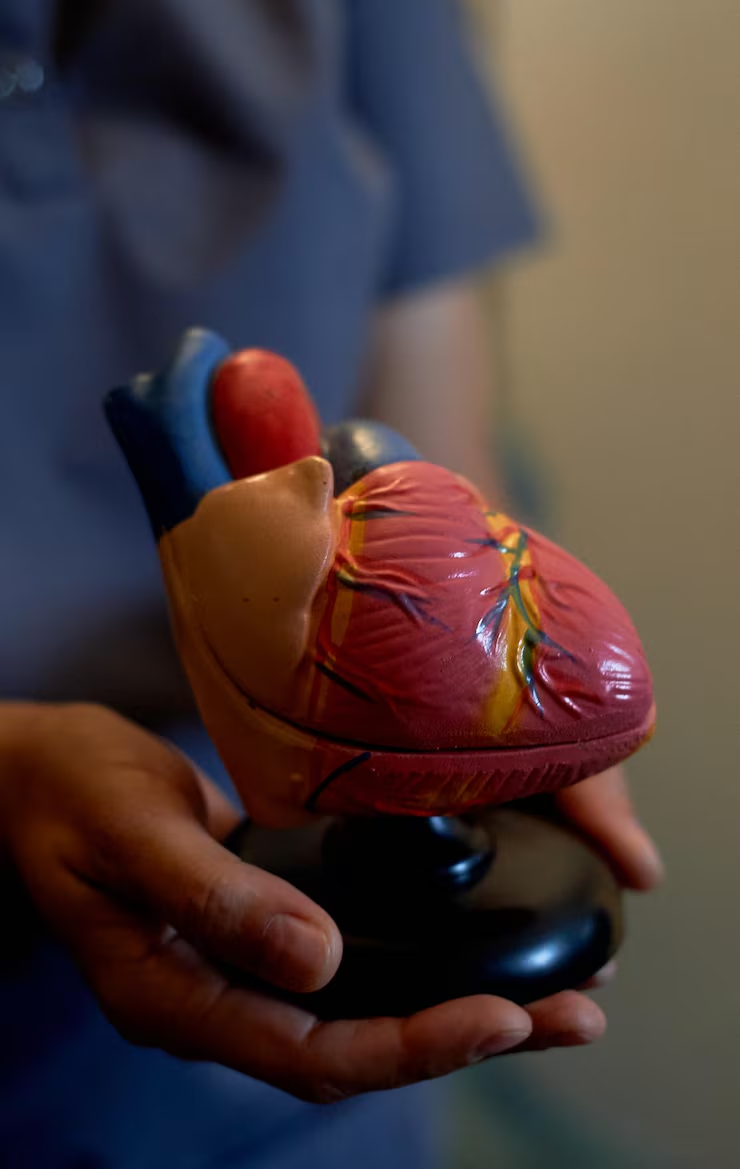


Expert EP Study, RFA & 3D Mapping
Combining EP Study, radiofrequency ablation, and advanced 3D mapping systems provides precise diagnosis, high cure rates, faster recovery, and long-term freedom from arrhythmias.