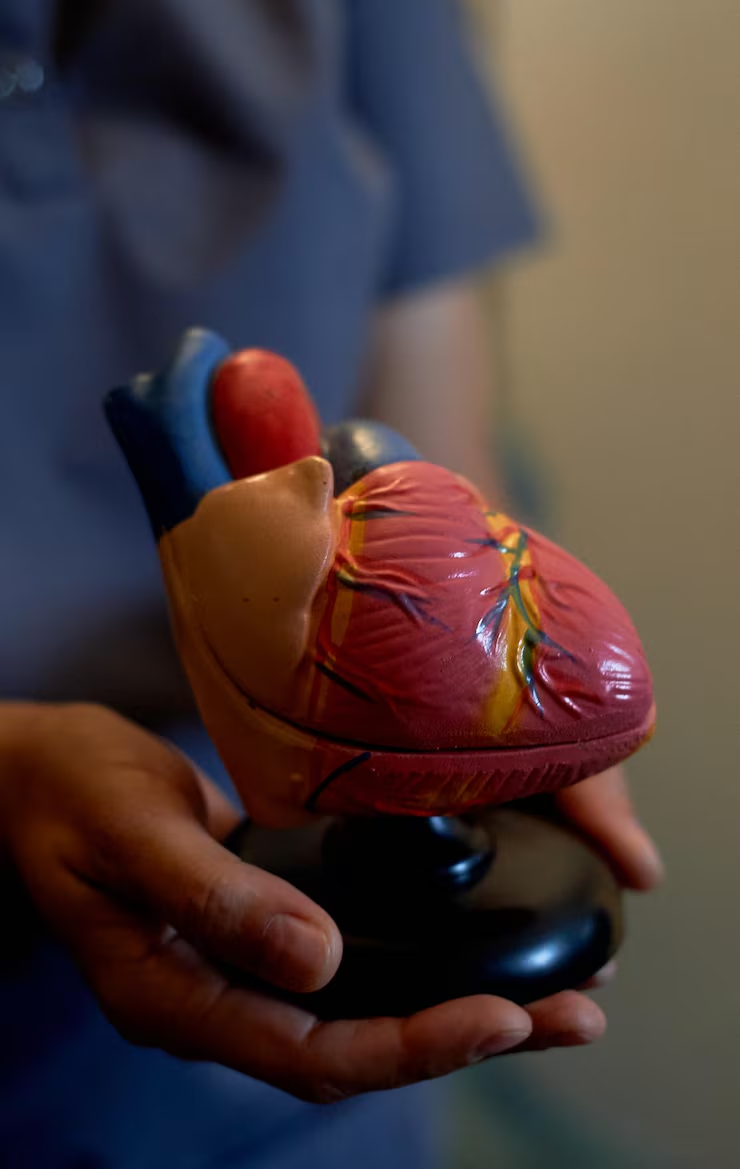
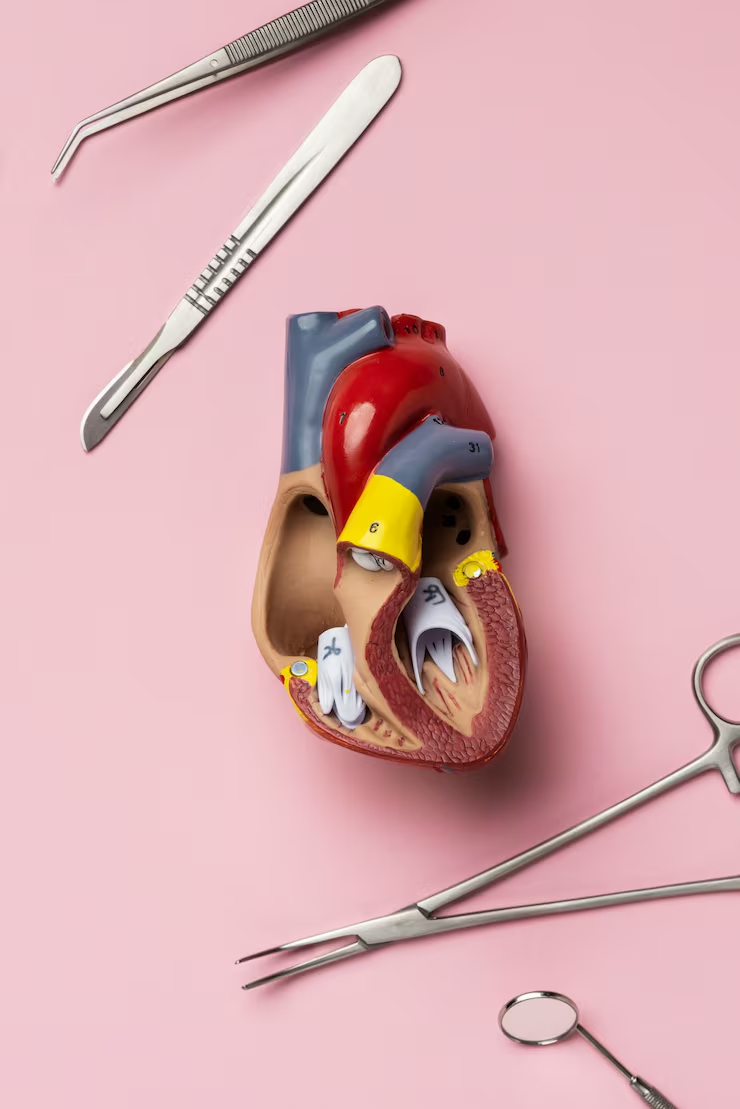
Primary Coronary Angioplasty, also known as Primary PCI, is the most effective treatment for an acute heart attack (STEMI). The procedure quickly opens the blocked coronary artery, restores blood flow, and prevents permanent damage to the heart muscle. It is the gold standard recommended by global guidelines (ESC, ACC/AHA) when performed within the recommended time window.
Coronary angiography identifies blocked arteries, while angioplasty restores blood flow to the heart muscle and relieves symptoms.
.png)
What is Primary PCI?
During some heart attacks, an artery supplying the heart becomes completely blocked, usually by a blood clot.
Primary PCI involves:
- Performing coronary angiography
- Identifying the blocked artery
- Removing the clot if needed (thrombosuction)
- Opening the artery using a balloon
- Placing a stent to keep the artery open
This procedure is performed immediately, without prior thrombolytic medication.
Why Is Primary PCI Important?
In a heart attack, every minute counts — “Time is Muscle.”
Delaying treatment can lead to:
- Permanent heart damage
- Heart failure
- Arrhythmias
- Death
Primary PCI significantly improves survival and reduces long-term complications.
When is Primary Angioplasty Recommended?
Primary PCI is advised when a patient presents with:
- Chest pain suggestive of myocardial infarction
- ECG showing ST-elevation (STEMI)
- Symptoms within 12 hours of onset (can be extended in selected cases) It is especially preferred if:
- A catheterization lab is available 24×7
- Experienced cardiologists are present
- The patient fails or cannot receive clot-busting medication
Primary PCI significantly improves survival and reduces long-term complications.
The Golden Period: Why Time Matters
During a heart attack, a coronary artery becomes completely blocked, cutting off oxygen supply to part of the heart muscle. The longer the blockage remains, the more heart muscle dies permanently — a process called myocardial necrosis.
How Is the Procedure Performed?
There is a crucial rescue window known as the “Golden Period.”
- First 60–90 minutes: Best outcome — heart muscle can be saved
- Up to 6 hours: Treatment is still very effective
- 6–12 hours: Benefit remains but muscle damage increases
- Beyond 12 hours: Depends on symptoms, ongoing pain, or ECG changes
This is why cardiology teams follow the principle:
- “Time is Muscle”
- “Door-to-Balloon Time: < 90 Minutes”
Why Acting Early Saves Life
Treating a heart attack during the golden period results in:
- Lower risk of death
- Better recovery of heart function
- Lower risk of arrhythmias and heart failure
- Reduced hospital stay and long-term disability
Every 30-minute delay increases mortality risk by 7–10%.
If chest pain lasts more than 20 minutes, especially with sweating, nausea, breathlessness, or radiation to the jaw/left arm — urgent emergency care is essential.
-
Emergency Evaluation
ECG, blood tests, vitals, oxygen support -
Cath Lab Access
Wrist (Radial artery) or groin (Femoral artery) - Coronary Angiography
-
Opening the Blocked Artery
Balloon angioplasty
Clot retrieval if required -
Stent Implantation
Drug-eluting stent (DES) is placed for long-term vessel patency -
Post-Procedure Monitoring
ICU / CCU observation
Medication initiation
Procedure duration: 30–90 minutes depending on complexity.
Benefits of Primary PCI
- Higher survival rates
- Better long-term heart function
- Lower risk of recurrent heart attack
- Shorter hospital stay
- Reduced need for emergency surgery
- Preserves heart muscle
Medications After the Procedure
Patients will require:
- Dual antiplatelet therapy (DAPT): Aspirin + another antiplatelet agent
- Statins
- Beta blockers
- ACE inhibitors / ARNI / other cardioprotective medicines
These reduce the risk of re-blockage and future heart events.
Medications After the Procedure
Patients will require:
- Dual antiplatelet therapy (DAPT): Aspirin + another antiplatelet agent
- Statins
- Beta blockers
- ACE inhibitors / ARNI / other cardioprotective medicines
These reduce the risk of re-blockage and future heart events.
Recovery and Aftercare
Most patients return to normal activity in 1–2 weeks.
Recommendations include:
- Follow-up cardiology visits
- Lifestyle modifications
- Heart-healthy diet
- Quit smoking and alcohol moderation
- Cardiac rehabilitation program
- Regular exercise (walking, monitored workout)
Risks (Though Rare)
Like all medical procedures, primary PCI carries some risk:
- Bleeding at puncture site
- Arrhythmias
- Re-occlusion or stent thrombosis
- Contrast allergies or kidney strain
However, benefits far outweigh risks in emergency coronary blockages.
Who Should Not Delay Primary PCI?
- Patients with severe chest pain
- Breathlessness or sweating
- Jaw, left arm, or back pain
- Sudden weakness, dizziness, fainting
If you suspect a heart attack, call emergency services immediately.
The procedure is mostly painless due to local anesthesia.
Yes, stents remain permanently as support to keep the artery open.
Ideally within the first 90 minutes (Door-to-Balloon time).
Usually only the culprit artery is treated during emergency PCI; others may be treated later.