Arrhythmias are abnormal heart rhythms that can impair heart function and lead to palpitations, dizziness, fainting, heart failure, stroke, or sudden cardiac death. Effective arrhythmia management depends on the type of rhythm disorder, severity of symptoms, and the patient’s overall risk profile.
Medical and interventional therapies work together to control abnormal heart rhythms, reduce complications, and improve quality of life.
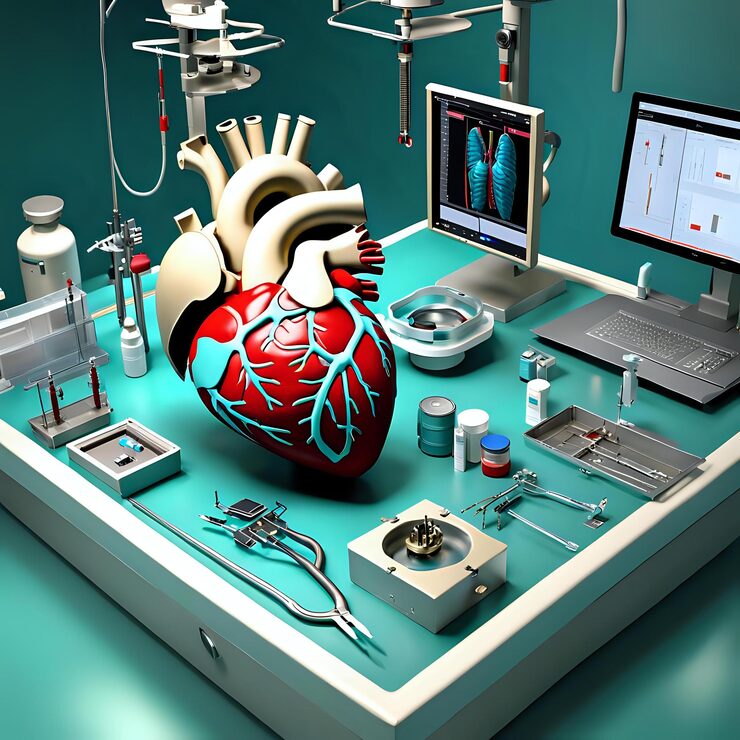
Arrhythmia treatment includes medications to control heart rate or rhythm, prevention of stroke with anticoagulation, and advanced interventional procedures such as electrophysiology (EP) studies, radiofrequency ablation, pacemaker implantation, and implantable cardioverter-defibrillators (ICDs).
- Medical therapy tailored to arrhythmia type and patient risk
- Stroke prevention using oral anticoagulation when indicated
- Electrophysiology study to identify abnormal electrical circuits
- Radiofrequency ablation for curative treatment of selected arrhythmias
- Pacemaker therapy for symptomatic bradyarrhythmias
- ICD implantation to prevent sudden cardiac death in high-risk patients
Medical Management of Common Arrhythmias
Drug therapy remains the cornerstone of arrhythmia management and is tailored according to the specific rhythm disorder and patient characteristics.
Management includes rate control using beta-blockers or calcium channel blockers, rhythm control with antiarrhythmic drugs, and stroke prevention using oral anticoagulation such as NOACs or warfarin based on CHA₂DS₂-VASc score.
Acute episodes are treated with vagal maneuvers or adenosine. Long-term prevention includes beta-blockers or calcium channel blockers, with ablation considered in recurrent or drug- refractory cases.
Acute management includes intravenous antiarrhythmic drugs. Chronic therapy may involve beta-blockers, amiodarone, or sotalol. High-risk patients benefit from ICD implantation.
Pacemakers are indicated in symptomatic sinus node dysfunction and advanced atrioventricular block, helping restore safe and reliable heart rhythm.
Avoid excessive caffeine and stimulants, control blood pressure and diabetes, manage sleep apnea, maintain electrolyte balance, and attend regular follow-up with ECG monitoring.
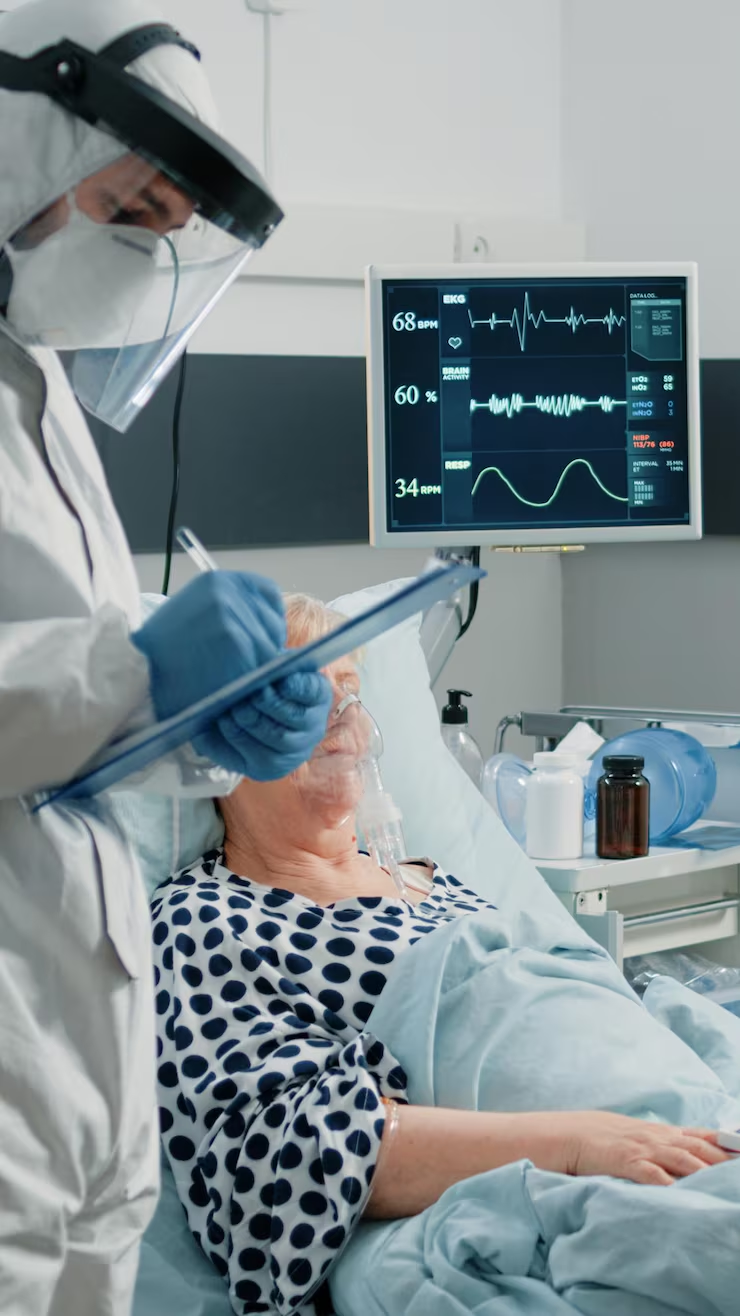
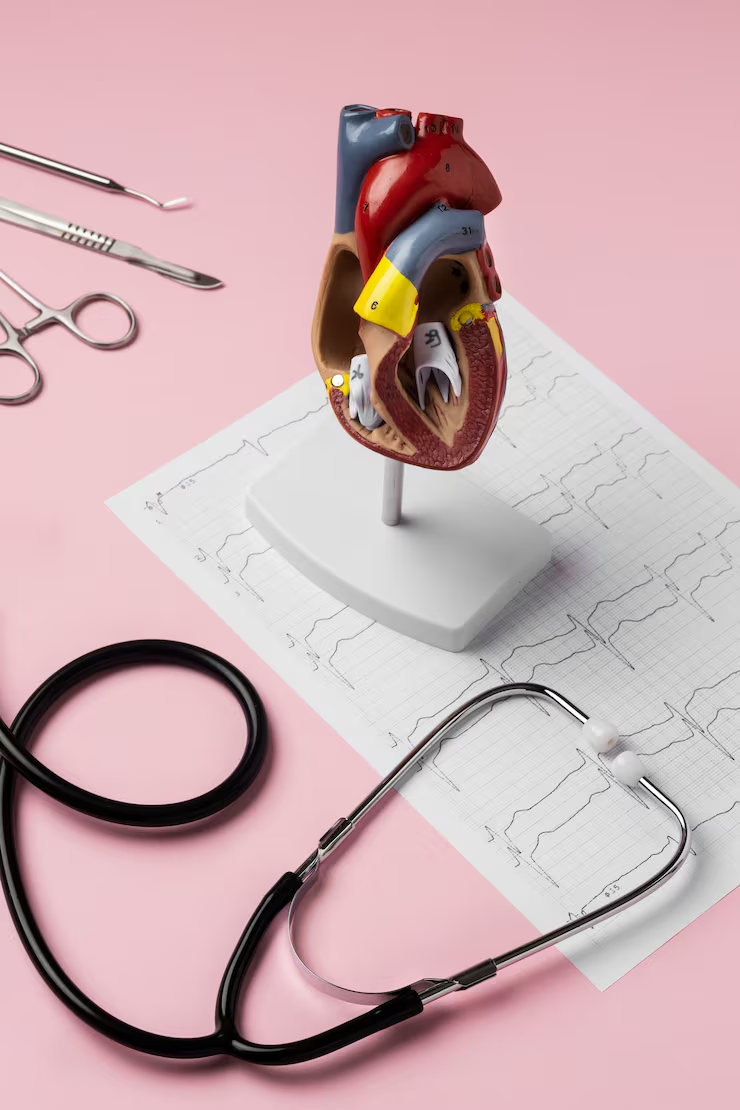

24/7 Heart Rhythm Care
Comprehensive arrhythmia management including medications, catheter ablation, pacemakers, ICDs, and long-term rhythm monitoring for optimal patient outcomes.