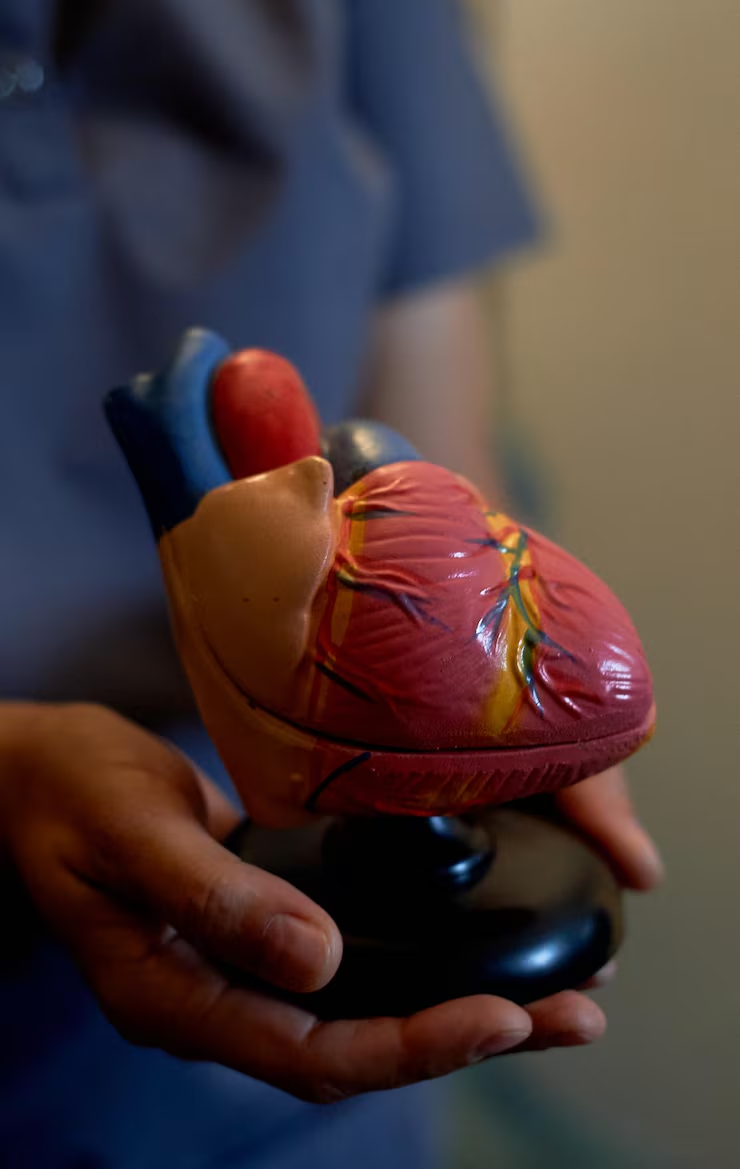
Complex Coronary Angioplasty (Complex PCI) is a specialized form of angioplasty performed for patients with advanced, difficult, or high-risk coronary artery disease, where standard angioplasty may not be sufficient.
These cases require advanced techniques, specialized tools, imaging support, and expertise to safely open arteries, restore blood flow, and avoid bypass surgery in many patients.

Complex coronary angioplasty enables treatment of difficult blockages using advanced imaging, precision devices, and expert techniques.
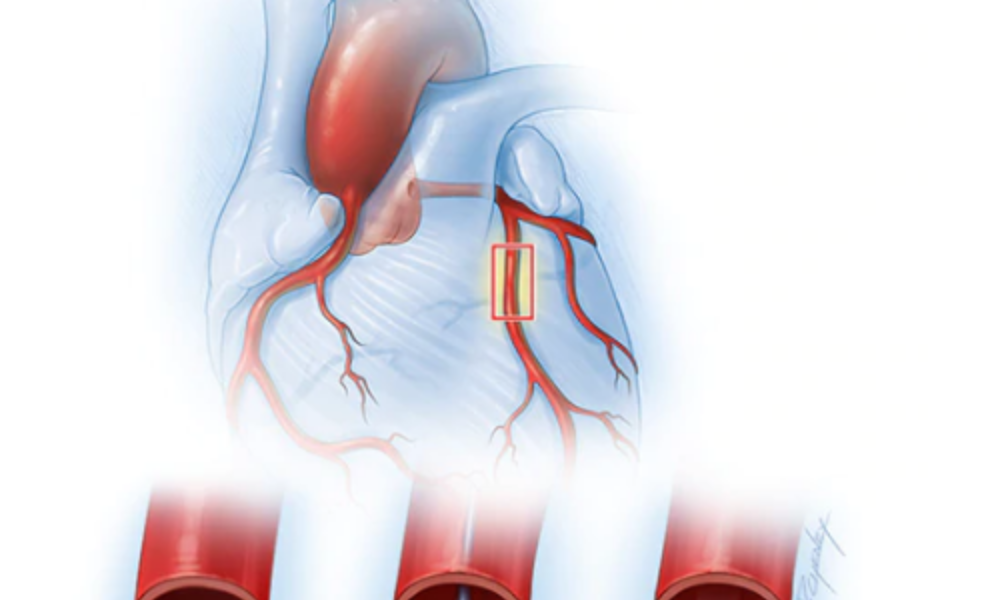
When is a Coronary Angioplasty Considered Complex?
A coronary angioplasty becomes complex when one or more of the following situations exist:
-
Left Main Coronary Artery Disease
Blockage in the major artery supplying a large portion of heart muscle. -
Chronic Total Occlusion (CTO)
An artery that has been 100% blocked for ≥3 months. -
Severe Calcified Coronary Arteries
Hard plaque requiring specialized atherectomy devices. -
Bifurcation or Trifurcation Lesions
Blockages involving branching arteries needing dual stents or modified techniques. -
Long / Diffuse Disease
Multiple segments of narrowing requiring long or overlapping stents. - Previously Failed Angioplasty or Restenosis
-
Patients with High-Risk Conditions
Severe left ventricular dysfunction
Multiple comorbidities (diabetes, CKD, heart failure)
Elderly or frail patients
Technologies Used in Complex Angioplasty
To ensure accuracy, safety, and long-term success, we use advanced tools including:
- IVUS (Intravascular Ultrasound)
- OCT (Optical Coherence Tomography)
- Rotational Atherectomy (Rotablation)
- Orbital Atherectomy
- Intravascular Lithotripsy (IVL / Shockwave therapy)
- Mechanical Circulatory Support Devices (IABP, Impella, ECMO)
- Guide Extension Catheters and Specialized Wires
These technologies help visualize plaque, optimize stent placement, and treat heavily calcified or complex blockages effectively.
How the Procedure is Performed
- Access through Wrist (Radial) or Groin (Femoral)
- Imaging and Road-Mapping of Blockages
-
Plaque Preparation
Debulking (atherectomy)
Calcium modification (IVL or laser) - Balloon Dilatation and Stenting
- Post-PCI Optimization using IVUS or OCT
- Monitoring and Post-Procedure Care
Duration may be longer than routine angioplasty depending on complexity.
Benefits of Complex PCI
- Avoids or delays the need for bypass surgery in many patients
- Provides improved long-term patency of arteries
- Better outcomes in patients with high ischemic burden
- Enables treatment of previously “untreatable” blockages
- Faster recovery and shorter hospital stay compared to CABG
Recovery After the Procedure
Most patients recover quickly. Usual recommendations include:
- Hospital stay: 1–3 days
- Return to routine activity: 1–2 weeks
- Medications: Dual antiplatelet therapy (DAPT), statins, beta-blockers, etc.
- Follow-up stress test or imaging depending on lesion type
Importance of Early Treatment
Severe or long-standing blockages can lead to:
- Repeated chest pain or angina
- Progressive weakening of the heart muscle
- Heart failure
- Sudden cardiac arrest
Treating the disease early, especially if symptoms are progressive, improves survival and quality of life.
Who Should Consider Complex PCI?
- Patients with severe coronary artery disease
- Those not suitable for bypass surgery
- Patients with multiple blockages or previous stents
- Individuals who wish to avoid prolonged recovery or surgical risks
Your cardiologist will evaluate angiographic findings, symptoms, risk profile, and heart function to recommend the best strategy.
Risks and Safety
Complex PCI is safe in experienced hands, but potential risks include:
- Bleeding or vessel injury
- Restenosis or stent thrombosis
- Contrast-related kidney stress (minimized using ultra-low contrast techniques)
- Arrhythmias
Use of imaging guidance and precision devices significantly reduces these risks.
No. It is performed under local anesthesia with mild sedation.
In most cases, Complex PCI avoids bypass surgery, but decision depends on anatomy and long-term planning.
With optimal stent deployment, imaging-guided PCI provides excellent long-term outcomes.